Is Kava Safe?
Understanding Traditional Kava and Responsible Consumption
One of the Most Common Questions About Kava
If you're new to kava, one of the first questions you may ask is:
"Is kava safe?"
It's a reasonable question.
Kava has become increasingly popular in Australia, but many people are unfamiliar with its long history and traditional use throughout the Pacific Islands.
Like any food, beverage or supplement, the answer is not always a simple yes or no. Individual circumstances, health conditions, medications and consumption habits can all influence suitability.
For this reason, consumers should take a balanced and informed approach when considering kava.

Traditional Kava Has Been Consumed for Generations
Kava is a traditional beverage prepared from the root of the kava plant (Piper methysticum).
Throughout Fiji, Vanuatu, Tonga, Samoa and other Pacific Island nations, kava has been prepared and consumed for generations as part of cultural, ceremonial and social traditions.
Traditional preparation typically involves mixing dried kava root powder with water and straining before consumption.
Today, traditional noble kava remains the most widely recognised and commonly consumed form of kava throughout the Pacific.
Why Does Kava Safety Get Discussed?
As kava has become more widely known outside the Pacific Islands, questions have been raised regarding quality standards, preparation methods, sourcing practices and responsible consumption.
These discussions have contributed to ongoing research and regulatory interest in kava around the world.
For consumers, the most important takeaway is that product quality, sourcing and preparation methods matter.
Understanding where your kava comes from and choosing reputable suppliers can help you make informed purchasing decisions.

The Importance of Noble Kava
Not all kava is the same.
Traditional noble kava varieties have a long history of consumption throughout the Pacific Islands and are generally regarded as the preferred choice for traditional preparation.
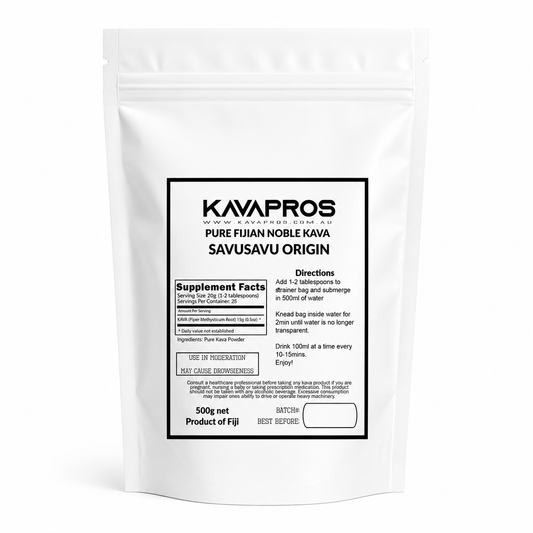
At Kava Pros, we focus on premium noble Fijian kava sourced from trusted growing regions in Fiji.
Understanding the difference between noble and non-noble kava is one of the most important considerations when purchasing kava products.
Traditional Preparation Matters
Traditional kava preparation involves straining the root material before consumption.
Many experienced kava drinkers prefer traditional preparation because it reflects the methods used throughout the Pacific Islands for generations.
Traditional preparation also allows consumers to control serving strength and preparation style.
At Kava Pros, we specialise in traditional kava powder because it remains the most widely used and culturally recognised form of kava preparation.
What About Liver Health?
Questions regarding kava and liver health are frequently discussed online. We have posted a liver health test which you can read here.
We encourage customers to review this information and make their own informed decisions regarding kava consumption.
It is important to recognise that individual circumstances vary and that no single test result should be interpreted as medical advice.
Consumers with concerns regarding liver health should consult an appropriately qualified healthcare professional.
Who Should Speak With a Doctor Before Consuming Kava?
Individuals should consult a healthcare professional before consuming kava if they:
-
Have an existing medical condition
-
Have liver-related concerns
-
Take prescription medications
-
Are pregnant or breastfeeding
-
Have questions regarding suitability for their personal circumstances
A healthcare professional is best placed to assess individual circumstances and provide advice tailored to a person's specific health situation.
Responsible Consumption
As with many foods, beverages and supplements, moderation and personal responsibility are important considerations.
Consumers should:
-
Follow product directions
-
Use products as intended
-
Purchase from reputable suppliers
-
Seek professional advice when appropriate
-
Avoid making assumptions based solely on online information
If you experience unexpected effects or have concerns regarding your health, discontinue use and seek appropriate medical advice.
Our Approach to Quality
At Kava Pros, we believe consumers should have access to clear information about the products they purchase.
We focus on:
- Premium noble Fijian kava
- Transparent sourcing
- Traditional preparation methods
- Educational resources
- Quality-focused product selection
We encourage customers to learn about kava, understand how it is traditionally prepared and make informed decisions based on their own circumstances.
Kava and Individual Responsibility
No website can determine whether a product is appropriate for every individual.
Only you and your healthcare professional can assess your personal circumstances, medical history and suitability.
For this reason, consumers should take responsibility for their own health decisions and seek professional advice whenever necessary.
Frequently Asked Questions
Is traditional kava safe?
Traditional kava has been consumed throughout the Pacific Islands for generations. However, individual circumstances vary and consumers should seek professional advice where appropriate.
Should I talk to my doctor before using kava?
Yes, particularly if you have a medical condition, take medications, are pregnant or breastfeeding, or have concerns regarding suitability.
Does Kava Pros provide medical advice?
No. Kava Pros provides educational information about traditional kava but does not provide medical advice.
Why does product quality matter?
Quality, sourcing and preparation methods are important considerations when choosing any traditional kava product.
Does Kava Pros use noble kava?
Yes. Kava Pros specialises in premium noble Fijian kava sourced from trusted growing regions in Fiji.
Where can I learn more about kava?
Visit our educational resources covering kava preparation, cultivars, Australian regulations and traditional kava practices.
Kava Pros Kava Powder
-
KAVA PROS SAVUSAVU ORIGIN
Regular price From $85.00Regular priceUnit price per$75.00Sale price From $85.00 -
KAVA PROS STARTER PACK
Regular price From $45.00Regular priceUnit price per$0.00Sale price From $45.00